How to Organize Your Garage for Better Storage
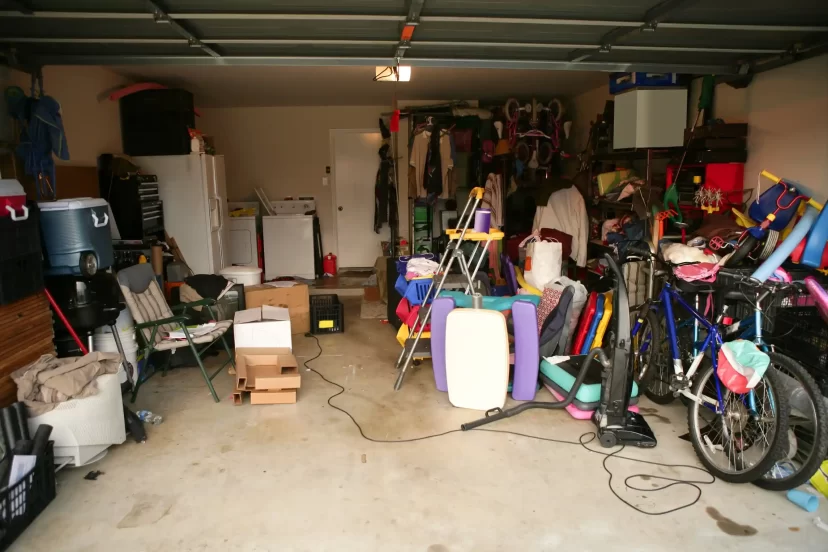
“Can I really organize my garage in a way that actually lasts?”
Hah — easier said than done. I’ve reorganized my own garage enough times to know that the hard part is not just cleaning it once. The real challenge is creating a storage system that still makes sense weeks or months later.
A garage can become one of the most useful spaces in your home, but it can also become one of the easiest places to lose control of. Tools, sports gear, storage bins, garden supplies, seasonal decorations, car supplies, paint cans, and half-finished projects all seem to end up there eventually.
The good news is that garage organization does not have to be perfect to be useful. You do not need a showroom garage, custom cabinets, or a huge budget to make real progress. What you need is a simple plan, a few smart storage choices, and a layout that makes sense for how you actually use the space.
This guide walks through the basics of organizing your garage for better storage, easier access, and a cleaner everyday setup.
Table of Contents
- Start by Deciding What Your Garage Needs to Do
- Sort Everything Before You Organize
- Clean and Inspect the Garage Before Adding Storage
- Create Garage Zones
- Use the Walls Before the Floor
- Add Shelving for Bins and Bulky Items
- Use Cabinets for Items That Need Protection
- Store Sports and Outdoor Gear Where It Is Easy to Grab
- Create a Garden and Yard Tool Area
- Consider Overhead Storage Carefully
- Keep Frequently Used Items Easy to Reach
- Label Bins and Shelves
- Leave Space for Movement
- Working Around a Parked Car Inside the Garage Space
- Think About Safety
- Maintain the System
- A Simple Starter Plan
- Final Thoughts
- FAQs
Quick Garage Organization Plan
If you want the simple version, start by sorting what you have, create zones for the items you are keeping, use the walls before filling the floor, and keep anything you use often easy to reach. After that, shelves, cabinets, bins, hooks, and overhead storage all become easier to choose.
Start by Deciding What Your Garage Needs to Do
Before buying shelves, cabinets, bins, or wall organizers, take a step back and decide what role your garage needs to play.
Some garages are mainly for parking. Others are storage rooms, workshops, home gyms, hobby spaces, garden supply areas, or a mix of everything. Many garages have to do several jobs at once, so the goal is not to copy someone else’s layout. The goal is to make your garage work for your household.
Ask yourself:
- Do you need to park one or more vehicles inside?
- Do you need space for tools or a workbench?
- Are you storing sports equipment, bikes, kayaks, or camping gear?
- Do you need seasonal storage for holiday decorations?
- Are there chemicals, paints, fuel, or cleaning products that need safer storage?
- Do you need clear walking paths to doors, freezers, laundry areas, or utility panels?
Once you know what the garage needs to do, it becomes much easier to decide what should stay, what should leave, and where everything should go.
Sort Everything Before You Organize
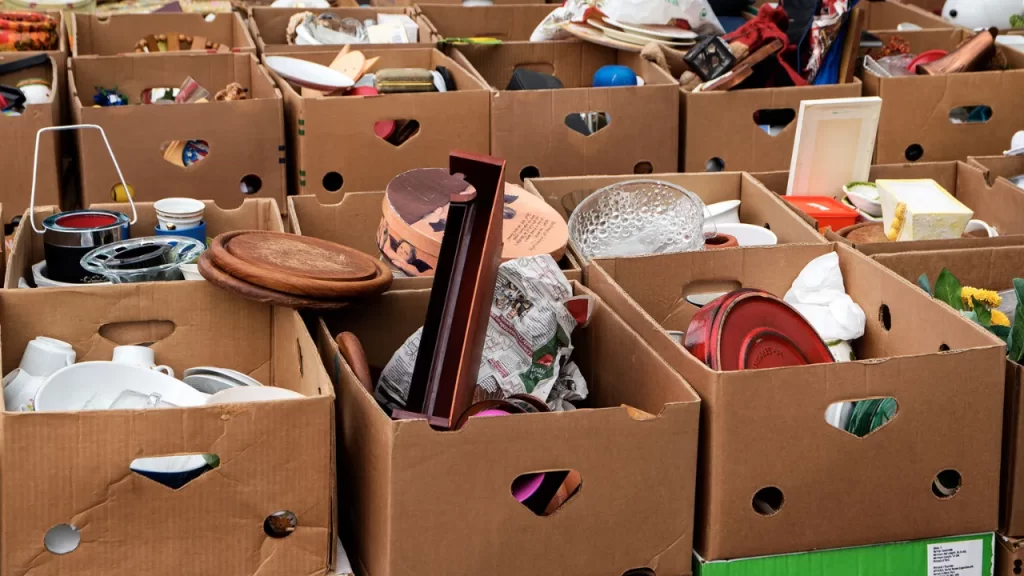
One of the biggest mistakes people make is trying to organize everything they already own without sorting it first. That usually means storing things that should have been thrown away, donated, sold, or moved somewhere else.
Start with broad groups:
- Tools and hardware
- Automotive supplies
- Lawn and garden items
- Sports and outdoor gear
- Seasonal decorations
- Household overflow
- Paints, chemicals, and cleaners
- Recycling, donation, or disposal items
As you sort, be honest. If something is broken, expired, unsafe, duplicated, or unused for years, it may not deserve valuable garage space.
This step can feel slow, but it makes the rest of the project much easier.
Clean and Inspect the Garage Before Adding Storage
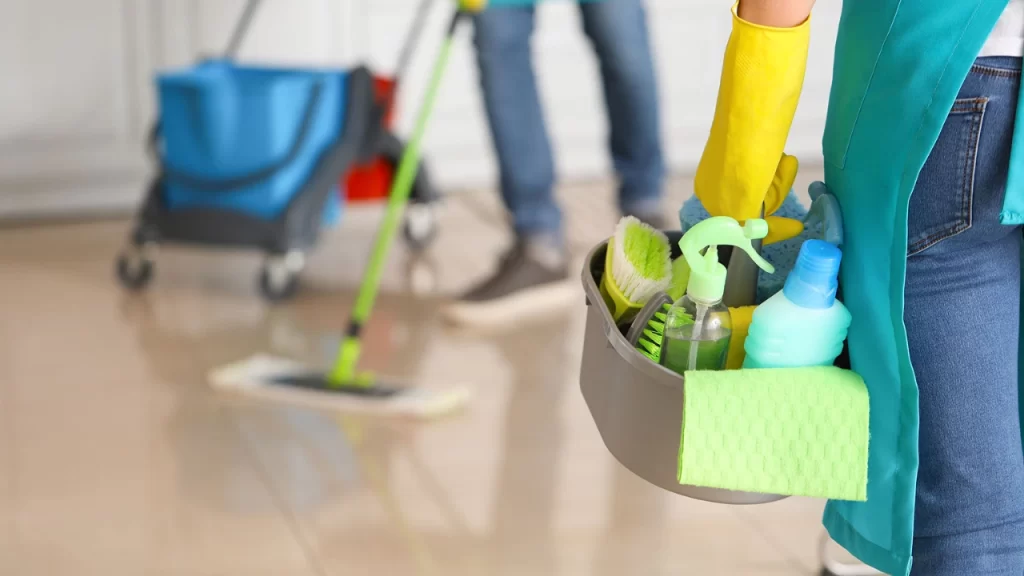
Once the clutter is out of the way, take a little time to clean and inspect the garage before you start adding shelves, cabinets, hooks, or bins.
Sweep the floor, wipe down dusty surfaces, clean around doors and windows, and check the areas that were hidden behind old boxes or storage piles. This is also a good time to look for water stains, pests, cracks, damaged drywall, poor lighting, or anything else that should be handled before the garage is reorganized.
It is much easier to fix a problem before the new storage system is installed than after everything is packed neatly back into place.
Create Garage Zones
Once you know what you are keeping, divide the garage into zones. A zone is simply a dedicated area for one type of item or activity.
Common garage zones include:
Tool zone: Hand tools, power tools, hardware, chargers, and workbench supplies.
Garden zone: Rakes, shovels, soil, fertilizer, pots, hoses, and outdoor tools.
Sports zone: Balls, helmets, hockey gear, bikes, scooters, camping equipment, or seasonal outdoor gear.
Automotive zone: Oil, washer fluid, detailing supplies, tire tools, jumper cables, and car-care products.
Seasonal zone: Holiday decorations, winter gear, summer gear, and items used only a few times per year.
Safety zone: Fire extinguisher, first-aid kit, protective eyewear, gloves, and properly stored chemicals.
Zones reduce clutter because everything has a home. They also make it easier for other people in the household to put things back where they belong.
Use the Walls Before the Floor
Floor space is valuable in a garage. Once the floor fills up, the garage starts feeling crowded even if the walls are empty.
That is why wall storage is one of the best upgrades for most garages.
Good wall storage options include:
- Pegboards
- Slatwall panels
- Wall-mounted hooks
- Track systems
- Tool racks
- Bike mounts
- Garden tool holders
- Wall shelves
Wall storage works especially well for items that are awkward to store in bins, such as rakes, brooms, ladders, extension cords, folding chairs, and sports gear.
A simple rule: if something keeps falling over in the corner, it probably belongs on the wall.
Add Shelving for Bins and Bulky Items
Garage shelving is one of the easiest ways to create order. Shelves work well for storage bins, paint supplies, seasonal items, tools, car-care products, and household overflow.
When choosing shelving, think about:
- Weight capacity
- Shelf depth
- Adjustability
- Moisture resistance
- Stability
- Access to frequently used items
Avoid stacking too many bins directly on the floor. It makes things harder to reach, traps dust and moisture, and quickly turns into a pile that nobody wants to sort through.
Use Cabinets for Items That Need Protection
Shelves are great for visibility and easy access, but cabinets are better when items need to be hidden, protected, or secured.
Garage cabinets are useful for:
- Paints and finishing supplies
- Cleaning products
- Automotive products
- Power tools
- Sharp tools
- Chemicals and potentially hazardous items
- Items you do not want children or pets accessing
Lockable cabinets can be especially useful for dangerous or expensive items. Just remember that some products require specific storage conditions, ventilation, or temperature control. Always follow product labels and local safety guidance.
Related guide: If you are deciding between open storage and closed storage, read Shelves vs. Cabinets in the Garage: Pros and Cons.
Store Sports and Outdoor Gear Where It Is Easy to Grab
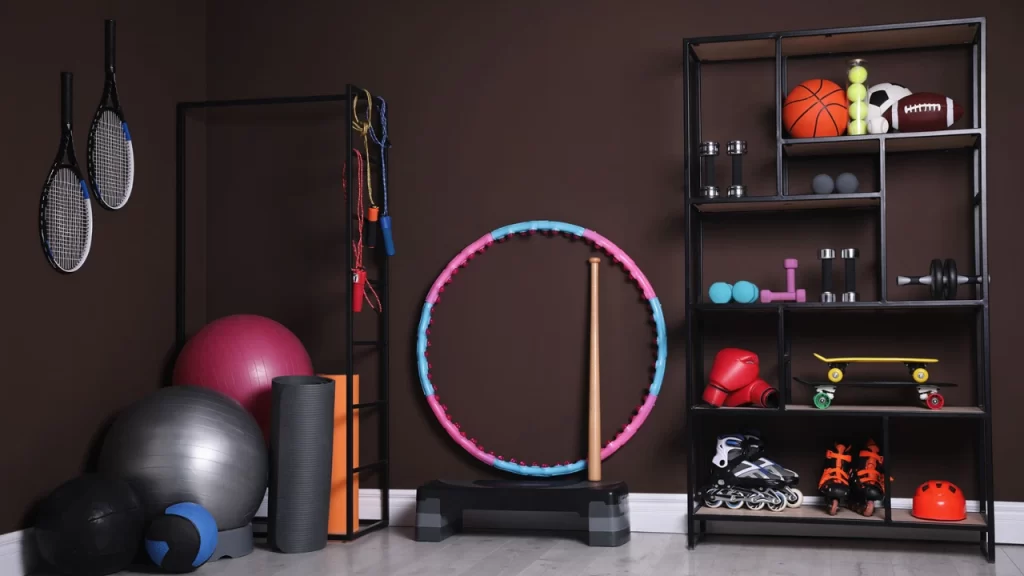
Sports equipment can take over a garage quickly because so much of it is awkwardly shaped. Balls roll around, helmets get tossed on shelves, bikes lean into everything, and seasonal gear gets buried until the day you actually need it.
This is one area where easy access matters. If the kids need a ball, a bike helmet, or hockey gear, it should not require moving half the garage to get it.
Good storage options for sports and outdoor gear include:
- Ball bins or mesh bags
- Wall hooks for rackets, bats, and helmets
- Bike hooks or wall-mounted bike racks
- Shelving for skates, pads, and bags
- Labeled bins for seasonal sports gear
- Ceiling or wall racks for larger outdoor gear
If your family uses certain items often, keep those items low and easy to reach. Less-used seasonal gear can go higher up or farther back.
This is also where garage storage becomes personal. A family with bikes, hockey gear, soccer balls, and camping equipment will need a different setup than someone who mainly stores tools and car supplies. Build the system around what actually gets used.
Create a Garden and Yard Tool Area
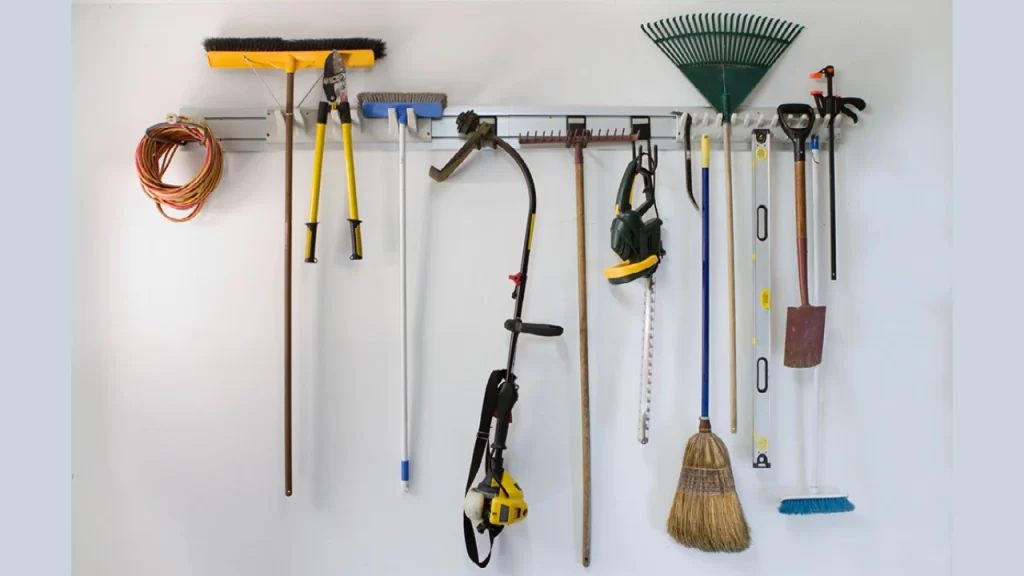
Garden tools are another common source of garage clutter. Rakes, shovels, brooms, hoses, bags of soil, pots, fertilizers, and small hand tools can quickly turn into a messy corner if they do not have a proper home.
A simple garden zone can make yard work much easier.
Useful garden storage ideas include:
- Wall hooks for rakes, shovels, and brooms
- A tall corner rack for long-handled tools
- Shelves for pots, gloves, and watering cans
- Labeled bins for seeds, small tools, and garden supplies
- A cabinet or secured shelf for fertilizers, sprays, or chemicals
- A hose hanger or reel to keep hoses from tangling
Try to keep garden supplies near the garage door or the path to the yard. That way you can grab what you need without walking through the whole garage.
Also, be careful with fertilizers, sprays, pesticides, and other garden chemicals. Keep them in their original containers, follow the label instructions, and store them away from children, pets, heat sources, and anything they should not mix with.
Consider Overhead Storage Carefully
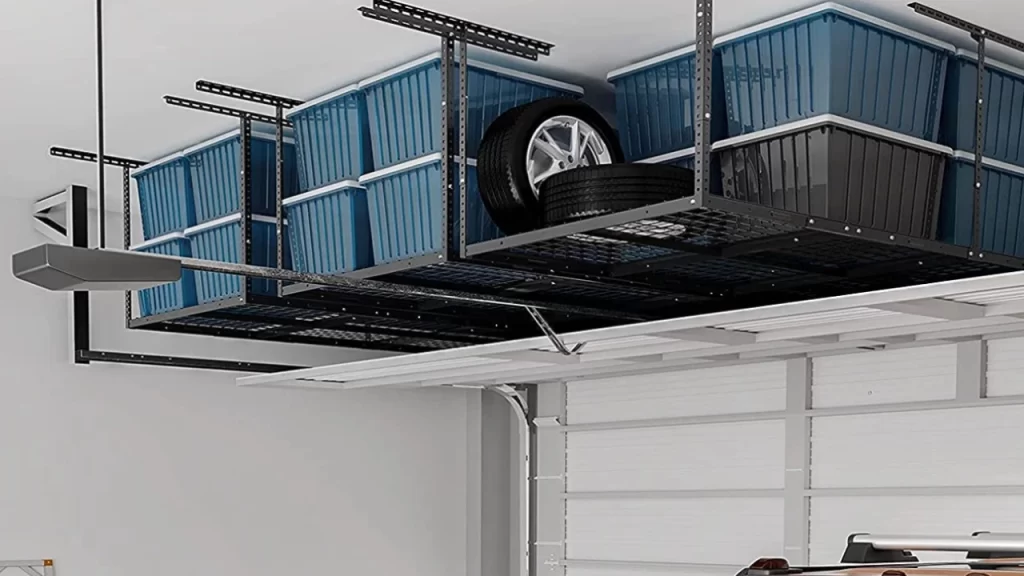
Overhead storage can be helpful, especially in smaller garages, but it should be used thoughtfully.
It works best for lightweight or seasonal items, such as:
- Holiday decorations
- Empty coolers
- Camping gear
- Seasonal bins
- Bulky but light household items
Avoid storing very heavy items overhead unless the system is properly rated and securely installed. Anything above head height should be stable, accessible, and safe.
Overhead storage is useful, but it should never make the garage feel dangerous or difficult to use.
Keep Frequently Used Items Easy to Reach
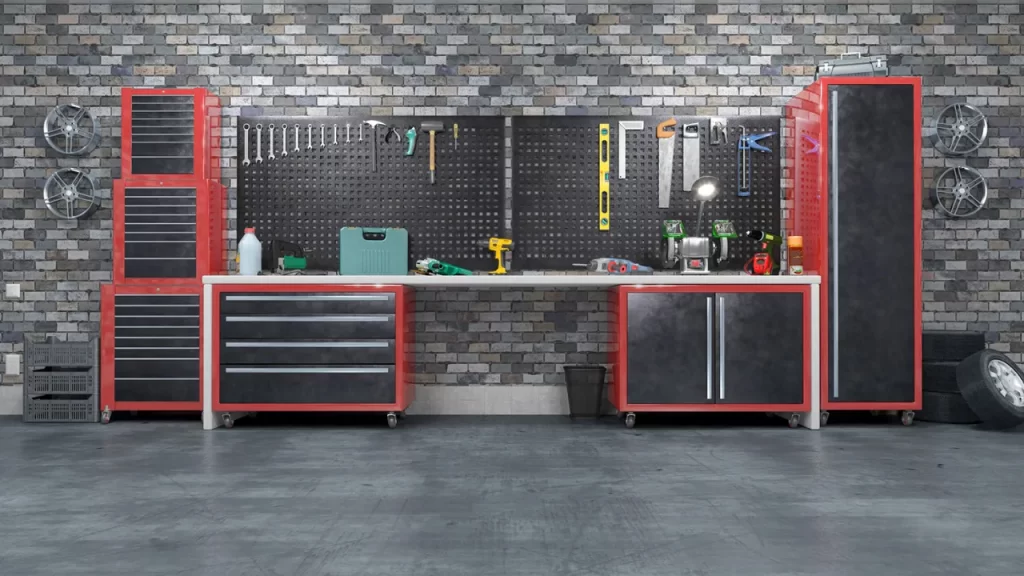
A garage organization system only works if it fits your habits. Items you use often should be easy to grab and easy to put away.
Keep daily or weekly items at eye level or waist level. Store rarely used items higher up, farther back, or in labeled bins.
For example:
- Everyday tools should be near the workbench.
- Bikes should be easy to remove without moving five other things.
- Gardening tools should be close to the garage door or yard access.
- Car-care products should be near the vehicle area.
- Holiday decorations can go higher or farther away.
The more often you use something, the easier it should be to reach.
Label Bins and Shelves
Labels are simple, but they make a big difference.
A bin labeled “Christmas lights” is much more useful than a mystery tote buried under three other mystery totes. Labels also help everyone in the household understand where things belong.
Useful label categories might include:
- Camping gear
- Winter gear
- Car cleaning
- Extension cords
- Paint supplies
- Garden tools
- Sports equipment
- Holiday decorations
- Hardware
- Donation items
Clear bins can also help, but labels still matter. A clear bin full of mixed items can become just as confusing as an opaque one.
Leave Space for Movement
A garage should not be packed so tightly that you have to climb over things to reach a shelf. Good organization includes walking space, door clearance, and access to important areas.
Keep these areas clear:
- Entry doors
- Garage door tracks
- Electrical panels
- Water heaters or furnaces
- Freezers or appliances
- Workbenches
- Vehicle doors
- Emergency exits
- Fire extinguishers
If you park inside the garage, open the car doors and trunk while planning storage. This helps you avoid placing shelves or bins where they will constantly get in the way.
Working Around a Parked Car Inside the Garage Space
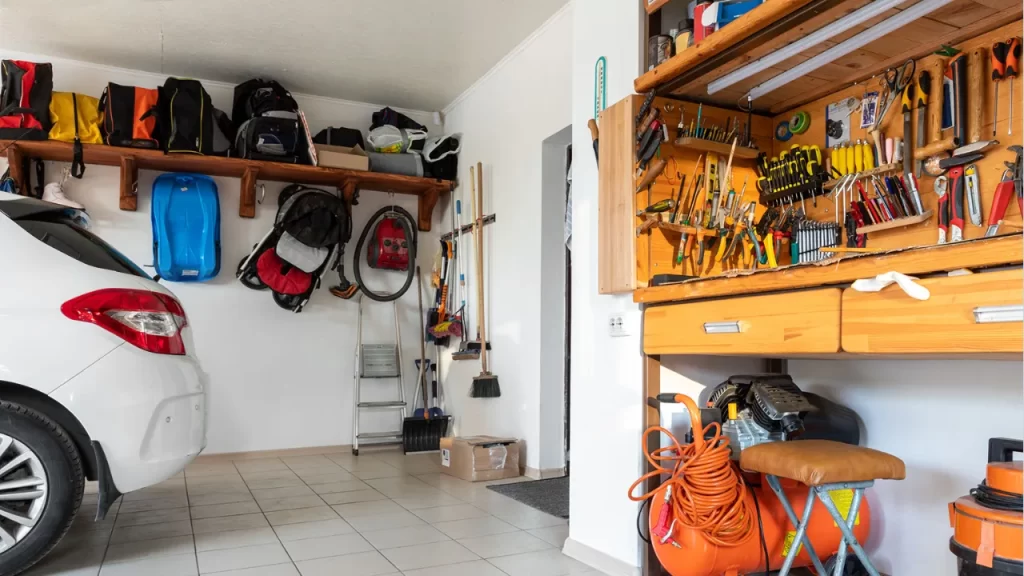
If you still park a vehicle inside the garage, that car has to be part of the storage plan from the beginning. It is easy to design a great-looking garage layout on paper and then realize the car doors, trunk, mirrors, or walking paths no longer work properly.
Before adding shelves, cabinets, or wall hooks, park the vehicle where it normally sits. Then open the doors, trunk, and hatch if it has one. Walk around the vehicle the way you normally would when carrying groceries, tools, storage bins, or sports gear.
This gives you a more honest picture of how much usable space you really have.
A few things to watch for:
- Leave enough room to open vehicle doors comfortably.
- Avoid deep shelves beside the driver’s door if space is tight.
- Keep walking paths clear between the house door, garage door, and vehicle.
- Use wall storage for narrow areas beside the car.
- Store bulky items near the back or side where they will not block access.
- Keep frequently used items where you can reach them without moving the car.
- Avoid storing heavy or sharp items where they could fall against the vehicle.
This is where shallow storage can be very useful. Wall hooks, pegboards, narrow cabinets, and slim shelving can give you storage without stealing too much parking space.
A garage that stores your belongings but makes parking annoying is not really organized. The best setup lets the garage do both jobs: protect the vehicle and keep the rest of your things easy to reach.
Think About Safety
Garage storage is not just about making things look better. It can also make the space safer.
Watch for:
- Heavy items stored too high
- Chemicals stored near heat sources
- Flammable liquids stored carelessly
- Tools left on the floor
- Extension cords creating trip hazards
- Unstable shelves
- Overloaded hooks
- Sharp items within reach of children
- Poor lighting around steps or work areas
A cleaner garage is usually a safer garage. But safety also means storing hazardous products properly, anchoring heavy storage where needed, and keeping walkways clear.
Maintain the System
The best garage organization system is one you can maintain.
You do not need to reorganize the whole garage every month. Instead, build a few habits:
- Put tools back after each project.
- Keep one donation box active.
- Do a quick seasonal cleanup twice a year.
- Re-label bins when contents change.
- Remove broken or expired items.
- Sweep around storage areas.
- Recheck shelves, hooks, and overhead racks for stability.
A garage will always collect new things. The goal is not to prevent that completely. The goal is to have a system that can absorb normal life without falling apart.
A Simple Starter Plan
If your garage feels overwhelming, start small.
Here is a simple first-pass plan:
- Clear one wall or one corner.
- Sort items into keep, donate, trash, and relocate piles.
- Group similar items together.
- Add shelves or wall hooks in that one area.
- Label bins and containers.
- Move frequently used items to easy-access spots.
- Repeat the process with the next section.
You do not have to finish the whole garage in one weekend. A garage that improves one section at a time is still improving.
Final Thoughts
Organizing your garage is really about making the space easier to use. It should help you find what you need, move around safely, protect your belongings, and make better use of the space you already have.
Start with sorting. Create zones. Use the walls. Add shelves and cabinets where they make sense. Keep frequently used items easy to reach. Label everything. And leave enough open space for the garage to function.
The best garage is not necessarily the perfect one. It is the one that works for your life.
FAQs
What is the best way to start organizing a messy garage?
Start by sorting everything into simple groups: keep, donate, trash, and relocate. After that, group similar items together, create zones, and organize one wall or corner at a time. Trying to fix the whole garage at once can get overwhelming fast.
Should I use shelves, cabinets, or wall organizers in my garage?
Most garages benefit from a mix of all three. Shelves are great for bins and bulky items, cabinets help protect or hide items, and wall organizers keep tools, garden gear, bikes, and sports equipment off the floor.
How do I keep my garage organized long term?
Keep frequently used items easy to reach, label bins clearly, and avoid letting random items pile up on the floor. A quick seasonal cleanup a couple of times a year can also keep the system from falling apart.
What should not be stored loosely in a garage?
Avoid loosely storing chemicals, flammable liquids, sharp tools, heavy items overhead, or anything that could be damaged by heat, cold, moisture, or pests. Always follow product labels and local safety guidance for hazardous materials.
How can I organize a garage if I still need to park a car inside?
Plan around the parked vehicle first. Open the car doors and trunk, mark the space you need, and keep storage tight to the walls or overhead where safe. Wall hooks, shallow shelves, cabinets, and labeled bins can help keep the floor clear.